

Purchasing the first house is like a huge adventure. Dreaming of your own space is thrilling and is also intimidating when you are new to it. Home prices change and the new regulations in states such as California or Texas make it possible to purchase a house as never before, knowing how.
There is no need to worry; this is how this guide simplifies it. We will discuss the house-buying process in detail and tell you what to look out for when buying a house and how to avoid the usual traps. We will prepare you to get the house of your dreams.
Why Buy a House in 2026?
It is changing rapidly in the USA housing market. This year, mortgage rates have fallen slightly, and it is a good opportunity to invest in a mortgage. In addition to that, with remote work remaining popular, you can select locations relatively distant from larger cities without losing your job.
Homeownership is a long-term acquisition of wealth. You no longer have to pay rent to a landlord and begin to acquire your own equity. Fannie Mae and Freddie Mac also have first-time buyer programs in 2026 with low down payments down to 3%. That is why there are increasing number of young families purchasing.
States such as Florida and Arizona have an increased inventory, and thus, there are more options. Waiting could, however, result in an increase in prices once more. When you have a stable income, then purchasing beats will be better than renting on a long-term basis.
What to Know When Buying a House
You should be familiar with the fundamentals before you plunge into the house-buying process. To begin with, get your credit rating; you want 620 and above to get the most desirable loans. Deposit a down payment; 20%is fine, 5-10% is fine.
Know the closing expenses, it is cost added to the price of 2-5%. These include appraisals, titles and fees. Compare by shopping early, like Bankrate.
Know the market in your area. Homes will sell fast in hot spots such as Austin or Denver. There is more time to bargain in cooler markets such as Cleveland. Local trends are presented with the help of such tools as Zillow or Redfin.
Taxes matter too. The property taxes are different, low in Hawaii, and are higher in New Jersey. Include HOA in case it is a condo. And do not forget, when purchasing a house, what to know is the cost in the future, such as repairs.
The House Buying Process: Step-by-Step Guide
And this is the heart of it all the entire house buying process spaced out. We are going to dive in here, with real examples, timelines and tips taken out of the realities of the markets in 2026. Whether you are looking at a starter house in Ohio or a fixer-upper in Georgia, the following steps will make things go smoothly. It will take the entire process between 30-60 days when you are already under a contract, though preparations are taking months ahead.
Step 1: Check Your Finances and Get Pre-Approved (1-2 Weeks)
The first thing to do is to know what you are able to afford. Crunch numbers online- enter in your income, debts and savings. A good guideline: Your mortgage repayment must not exceed 28% of your monthly take-home salary.
Next, talk to lenders. Pre-approved rather than pre-qualified. This demonstrates to the sellers that you are serious. With popular FHA loans to beginners in 2026, you may only be required to have a down payment of 3.5% in case you have decent credit.
Case Study: Sarah in Phoenix was making $70K per year. She got pre-approved for $350K. That made her able to shop and not spend time on million-dollar listings.
What is the time frame of buying a house in this area? Pre-approval is fast -days, in case of available documents.
Step 2: Locate a Real Estate Agent (1 Week)
Select an agent of a buyer, they are free to you, as sellers pay commission (2.5-3% in 2026). Find someone nearby who has great reviews on Realtor.com.
You have an agent who is familiar with neighborhoods, schools and secrets. They drag information off MLS database.
Tip: Interview 2-3 agents. Inquire about their success with first timers.
Step 3: House Hunt and Make Offers (4-8 Weeks)
Now the fun part, tour homes! Filter using applications such as Zillow by price, beds, and baths. Visit 5-10 houses.
What to pay attention to when buying a house: How is the roof (no missing shingles), does it have a foundation (is it not cracked), does the plumbing (run all faucets), and does the electrical (lights flicker?). Draft test doors and windows. In flood-prone areas such as Miami, enquire about insurance.
Look beyond looks. Is the kitchen updated? Does it have energy-efficient windows? Solar panels or EV chargers become value-added in 2026.
When you have found the one, offer. Your agent assists – bid 1-3% less in even markets. Insert earnest money (1-2% of the price) to prove you are real.
Case study: Atlanta had a $400K bungalow that Mike saw. Comps sold at a higher price of $390K, hence he bid at a lower price of 385K. Sellers responded to $395K- they closed.
Step 4: Home Inspection and Appraisal (1-2 Weeks)
Laundry Service: Pay an inspector ($300-$500) – they identify roof leaks, mold, or wiring issues. Be there during the inspection; enquire.
Appraisal is proceeded with, lender orders it ($400-$600) to verify value. In case it is low, then renegotiate or walk out.
Climate risk appraisals that include wildfires or storms will be observed in 2026.
Step 5: Underwriting and Final Loan Approval (2-4 Weeks)
Lender cuts to the bone, forward pay stubs, and bank statements. No big buys or job changes now!
Everything gets underwritten. Cleared to close. Seems like you’re clear.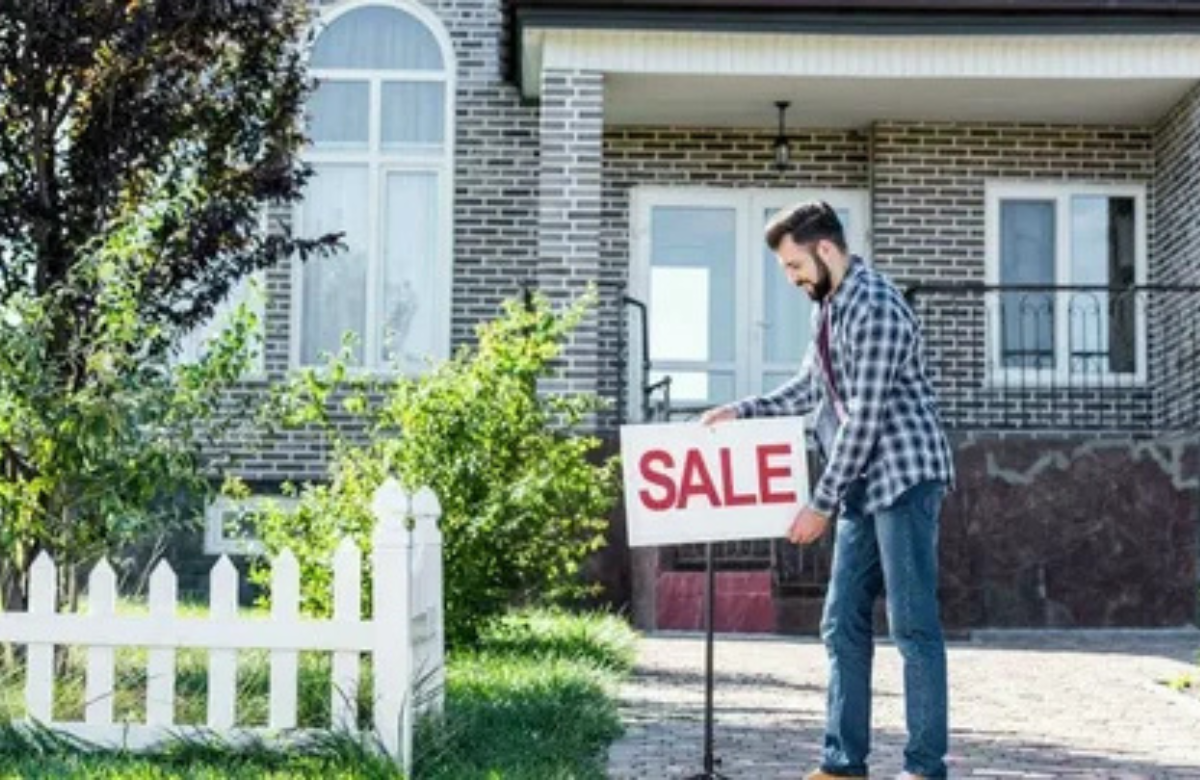
Step 6: Title Search and Closing (1 Week)
To ensure that things are clean, the title company verifies that there are no liens or ownership problems to ensure the title.
Signing 100+ pages on closing day, bring ID, cashier’s check to pay down/ closing costs, and give final walk-through of house. You have some keys in your hand! You are a homeowner!
On average, it takes 45-60 days to buy a house, including pre-approval to keys in 2026. Hot spots like Seattle: 30 days. Slower like Detroit: 90+. Appraisal/seller delays occur, plan more time.
In Nashville, graft love letters (fair housing rules) emphasized pre-approval. Rural Idaho? Bidding wars, offer to pay seller costs. Check condo rules on pets/rentals. VA loans/USDA loans: There is no down payment for vets/rural purchasers.
Shop quotes, insurance up 10% because of storms. After closing: update title, utilities, and locks.
This process is applicable in all places, including New York apartments and Texas farmlands. Stress-cut and save money with it.
Things to Look for When Purchasing a House: Top Tips
Identifying problems at an early stage will save thousands. Here’s a quick checklist:
- Principles of structure: Wall cracks? Sagging floors? Water stains on ceilings?
- Systems inspection: Furnace/AC more than 15 years old? Update coming.
- Local atmosphere: Drive through. Good schools? Low crime via CrimeGrade.org?
- Future-proofing: Room to grow? Near work or transit?
- The lurking expenses: Asbestos in older houses? Radon detectors in cellars (Midwestern).
Hack: Appliances Use a home warranty ($400-$600/year).
Smart Strategies for First-Time Buyers in 2026
Intelligent Buyer Purchase First-Time Buyer Strategies in 2026.
Ease into it with these moves:
- Down payment assistance: Fix-up Programs such as the FHA 203(k).
- Rate buydowns: Now pay less, later.
- Negotiate it all: Make sellers repair or give credits.
- Technology: Matterport Virtual tours consume less gas.
- Hire a realtor, a lender, an inspector: Your dream team.
These make the house-buying process enjoyable and not desperate.
Conclusion:
Closing the distribution of buying a house does not need to be a stressful situation. Begin by pre-approving, be a smart house-buyer with inspections, and become familiar with the local market to get the right house in 2026. You have the steps, tips such as checking foundations and roofs and frequently asked questions that will have you covered in all the steps.
Ready to take the next move? Refer to Real Estate Solutions For You to find your dream home and have individualized guidance and listings.
FAQ’s
Q: How long does it take to purchase a house?
A: Typically, 45-60 days from accepted offer to closing in 2026. But add 1-3 months upfront for house hunting, getting pre-approved, and paperwork. Hot markets like Florida speed it up to 30 days, while slower areas give you more time to decide.
Q: How do I find out who purchased a home?
A: Search public records at your county clerk’s or recorder’s office; it’s free or cheap. Or use online tools like Property Shark, Zillow’s owner search, or the local assessor’s website.
Deeds list the new owner’s name right after closing. Just enter the address, and results pop up fast.
Q: What to know when buying a house for the first time?
A: Get mortgage pre-approved early to know your real budget. Budget extra for closing costs (2-5% of price) and inspections. Always learn your local market, prices, inventory, and trends via Redfin or Realtor.com. This avoids surprises down the road.
Q: Things to look for when purchasing a house?
A: Check the roof for old shingles, foundation for cracks, and plumbing for leaks, run all faucets and flush toilets. Look at neighborhood safety, schools, and noise levels. Test windows, doors, and lights too; drive by at different times.
Q: What’s the first step in the house-buying process?
A: Check your finances: review credit score, debts, and savings using free tools like Credit Karma. Then, get pre-approved by a lender, which shows sellers you’re serious and sets your price range right away.
Q: Do I need a real estate agent?
A: Yes, they give you MLS access to all listings, handle negotiations, and guide paperwork. Best part: sellers pay their fee, so it’s free for you. Pick one with local experience and good reviews; they spot deals you might miss.


 ABOUT US